Can AI diagnose cavities? The global dental AI development buzzword is
Dental disease may not be a big concern for the average patient. All you need to do is visit the dentist frequently, practice good prevention, and seek treatment when necessary. And in Korea, where dental care costs half to a tenth of what they do in the U.S., going to the dentist shouldn't be too expensive.
However, practicing medicine is not all there is to medicine, and many doctors are also engaged in research and clinical work to prevent, predict, and treat diseases at an earlier stage.
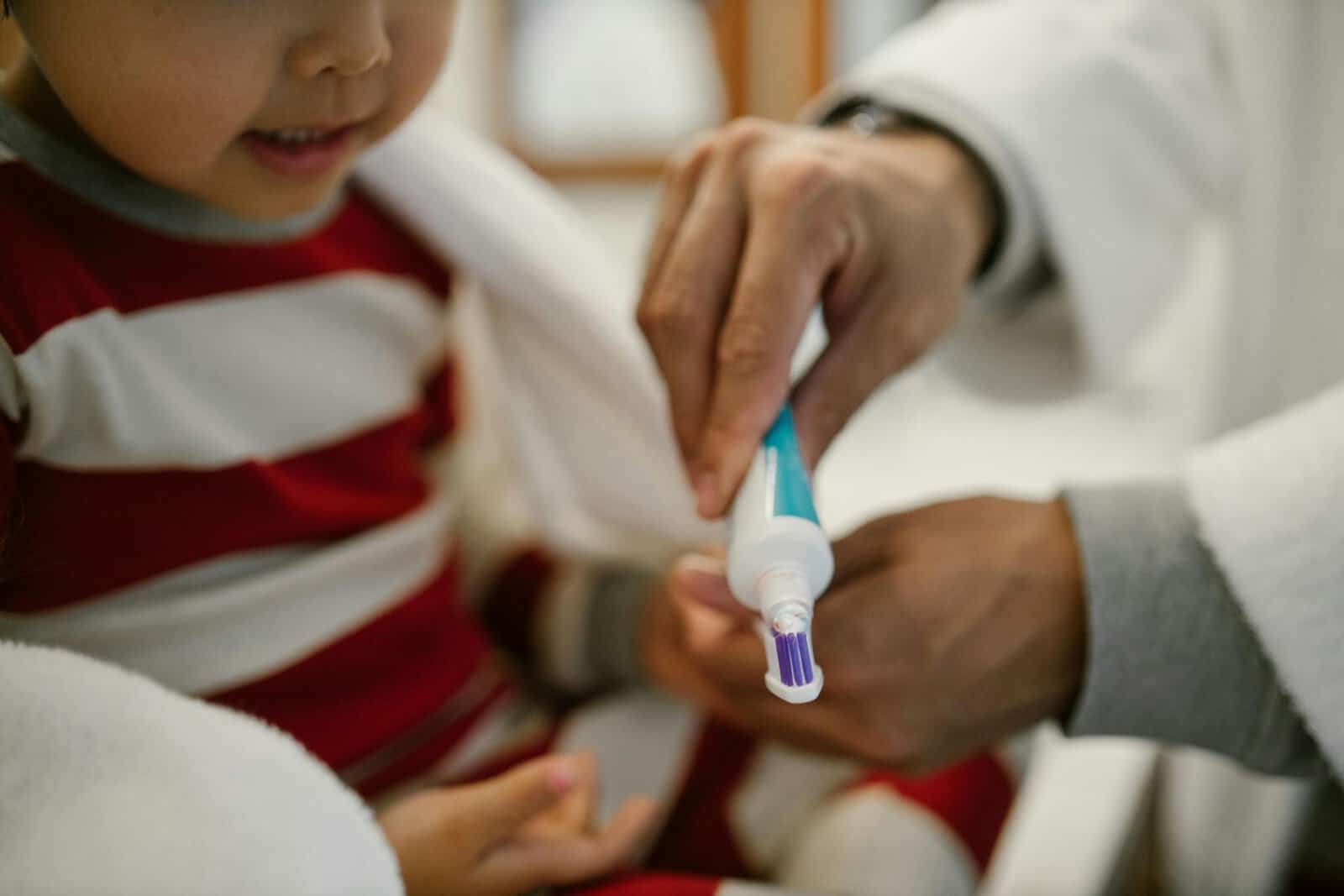
A recently published research paper by Fathers Hassan and colleagues at the University of Bergen, Norway, titled Predicting Early Childhood Caries Risk in Bangladesh Using Machine Learning Techniques, focuses on machine learning-based prediction of early childhood caries (ECC).
According to the Seoul National University Hospital's medical information website, early childhood caries is defined as "the presence of one or more carious teeth, tooth loss due to caries, or teeth treated for caries in the primary teeth of children 71 months of age or younger."
The causes include microbial factors (transmission of mutans from parents), dietary factors (lactose fermented by mutans in the mouth if the mother's milk stays on the upper front teeth for a long time), and time factors (increased proliferation and activity of mutans during prolonged feeding). The diagnosis is made through a clinical and radiological examination by a dentist, followed by treatment.
For the paper, Hasan, who is from Bangladesh, studied 724 mothers with children under the age of 6 in Bangladesh. The study used a combination of clinical data and surveys. By using ML to analyze health behavior data from mothers and children, the researchers hoped to develop a model that could more accurately predict ECC risk.
The researchers identified 10 factors associated with early childhood caries: plaque score, child's age, mother's education, number of siblings, mother's age, consumption of sugary foods, tooth cleaning tools, how often the child brushes, whether the child helps brush, and whether the child uses fluoride toothpaste. The goal is to use machine learning artificial intelligence to predict early childhood caries in children.
The researchers said validation and model optimization in different populations is needed. Of these, the researchers found plaque score to be the strongest predictor.
There is a growing movement of dental professionals around the world, including in the United States, who are actively incorporating AI into their practice. The University of Florida is one of the first universities to actively incorporate AI into dentist training and dental research. According to the school's blog, dental students learn to utilize AI technology when reading radiographic dental images.
https://www.instagram.com/reel/DHGzOAkvG8O/?utm_source=ig_web_copy_link&igsh=MzRlODBiNWFlZA==Overjet, a startup developing AI-powered dental care technology, says it can "show the exact size and location of cavities in a panoramic oral X-ray," which "allows dentists to create an accurate treatment plan to address potential cavities."
This is thanks to AI company Overjet's FDA-approved technology for AI-based cavity detection and diagnosis of bone density measurements from X-rays. This converts black-and-white dental radiographs into natural color.
Dr. Theresa Dolan, former dean of the university's dental school, serves as chief dental officer, and Overjet partnered with the school in 2022.
"Our goal is to equip future dentists with the skills and knowledge they need to serve their communities and promote optimal oral health," said Dr. Isabel Garcia, then dean of the University of Florida College of Dentistry, explaining the introduction of AI into the curriculum.
The University of Maryland School of Dentistry, one of the first dental schools in the world (according to the American Dental Association), has established an AI lab within the school. The lab focuses on: explainable and interpretable AI models; deep learning image segmentation for oral and maxillofacial medicine, pathology, and radiology; the performance of medical AI chatbots on difficult and controversial topics; developing personalized chatbots for head and neck cancer patients; virtual and mixed reality for dental education; and AI ethics.
AI ethics is one of the areas that many top dental schools are delving into. The Harvard University School of Dental Medicine website pointed out in a blog post in 2024 that there are many issues that need to be addressed before AI and machine learning models can truly help dentistry. For example, similar questions can be answered differently depending on the user's gender, race, and demographic background.
AI-based diagnostic systems also have the advantage of being able to assist dentists in their diagnoses. However, regulation by health regulators has not kept pace with technological advances, and there is still a lack of discussion about the ethical implications of further advances in AI.
In other words, before we can expect AI dentists, we need to train dentists who know AI.
In a recent 2023 paper, "Ethical considerations for AI in dentistry: a framework and checklist," a multinational team of researchers from Germany, France, Serbia, and India identified 11 ethical virtues for ethical dental AI. They are: transparency, diversity, patient well-being, respect for patient decision-making, privacy, accountability, equity, prudence, sustainable development, solidarity, and governance.
Writer. Hyuntaek Lee
A former newspaper reporter who worked for 18 years at The New York Times and . She is currently working as a freelance contributor and planning the second act of her life. In addition to journalism, she has worked in broadcast public relations and marketing at JTBC and Edelman Global Advisory in the United States. She is a recipient of a U.S. State Department Fulbright Humphrey Fellowship and a Google Asia-Pacific Newsroom Leadership Fellow. His hobby and specialty is writing reference books, and he has co-authored the , series, and .
Get new stories from Minish in your inbox.
Check your inbox and confirm your subscription.
Something went wrong. Please try again.