[Essay by Dr. Hae-Sung Kwak, President of Chi-Hyun Shinbo] Boarding Gate to Tokyo... I Went to Learn, I Went to Teach
In the 80s, seniors traveled to Japan to learn advanced dental techniques
Now, Japanese doctors ask me for consultations
Outside the office, lecturing and traveling... "Help me see the forest for the trees"
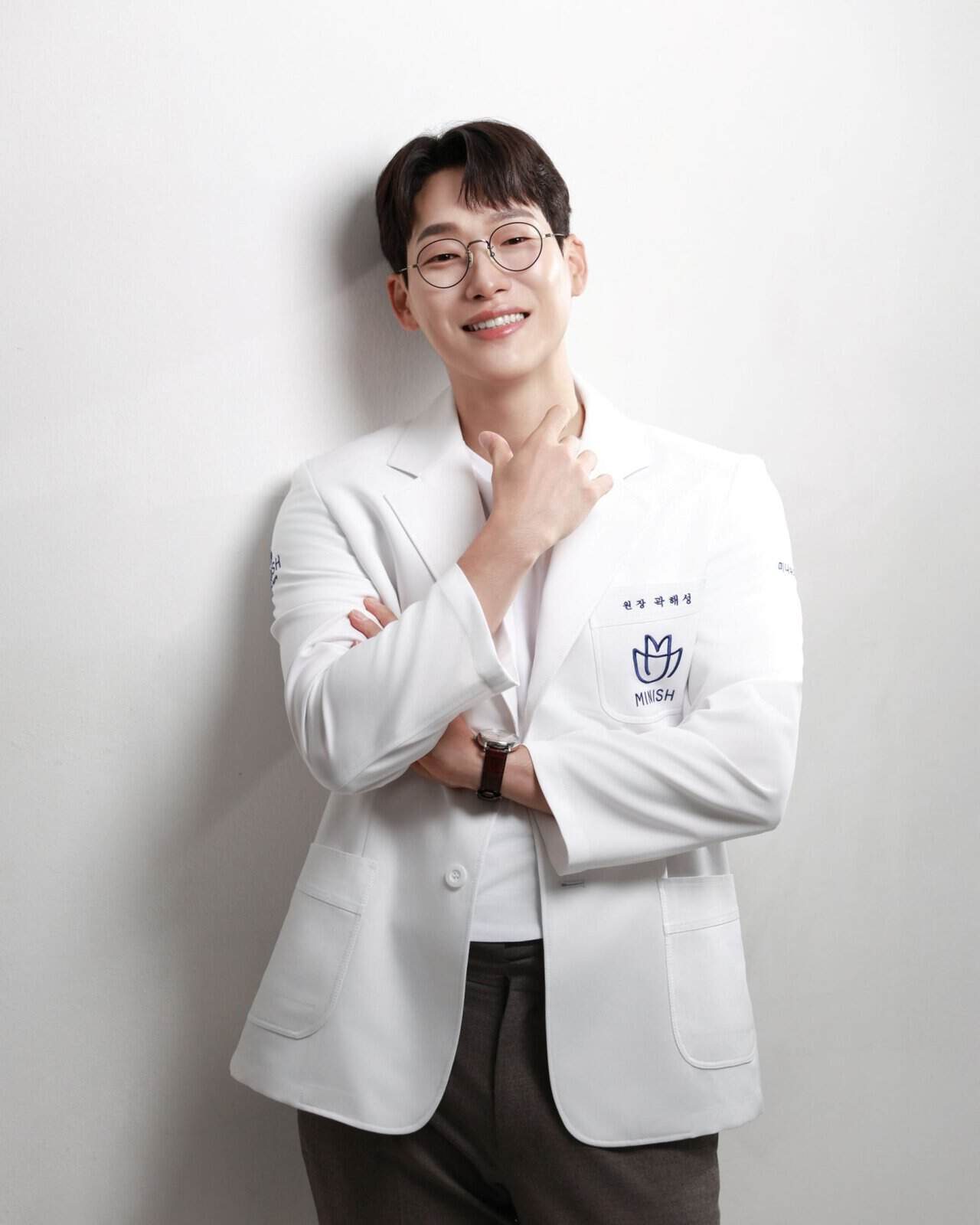
When I was in dental school, the future I envisioned for myself was not unlike the life of any other dentist. I never imagined that I would be able to share my experience and know-how with Japanese dentists as I do today.
At some point, I became a doctor who teaches doctors. I practice four days a week, teaching doctors of various nationalities, including Korean, Japanese, and American, and traveling to Japan for consultations in between. Every time I land at Narita Airport, I think back to the stories I heard from my professors and realize how special this experience is.
In the 1980s and '90s, Korean dentists traveled to Japan to learn techniques. At that time, it was a matter of pride to learn advanced techniques in Japan.
Thirty years later, things have changed. If my seniors went to Japan to learn, now they want my practice experience in Japan. The hard work of my seniors and the growth of Korean dentistry have given me the opportunity.
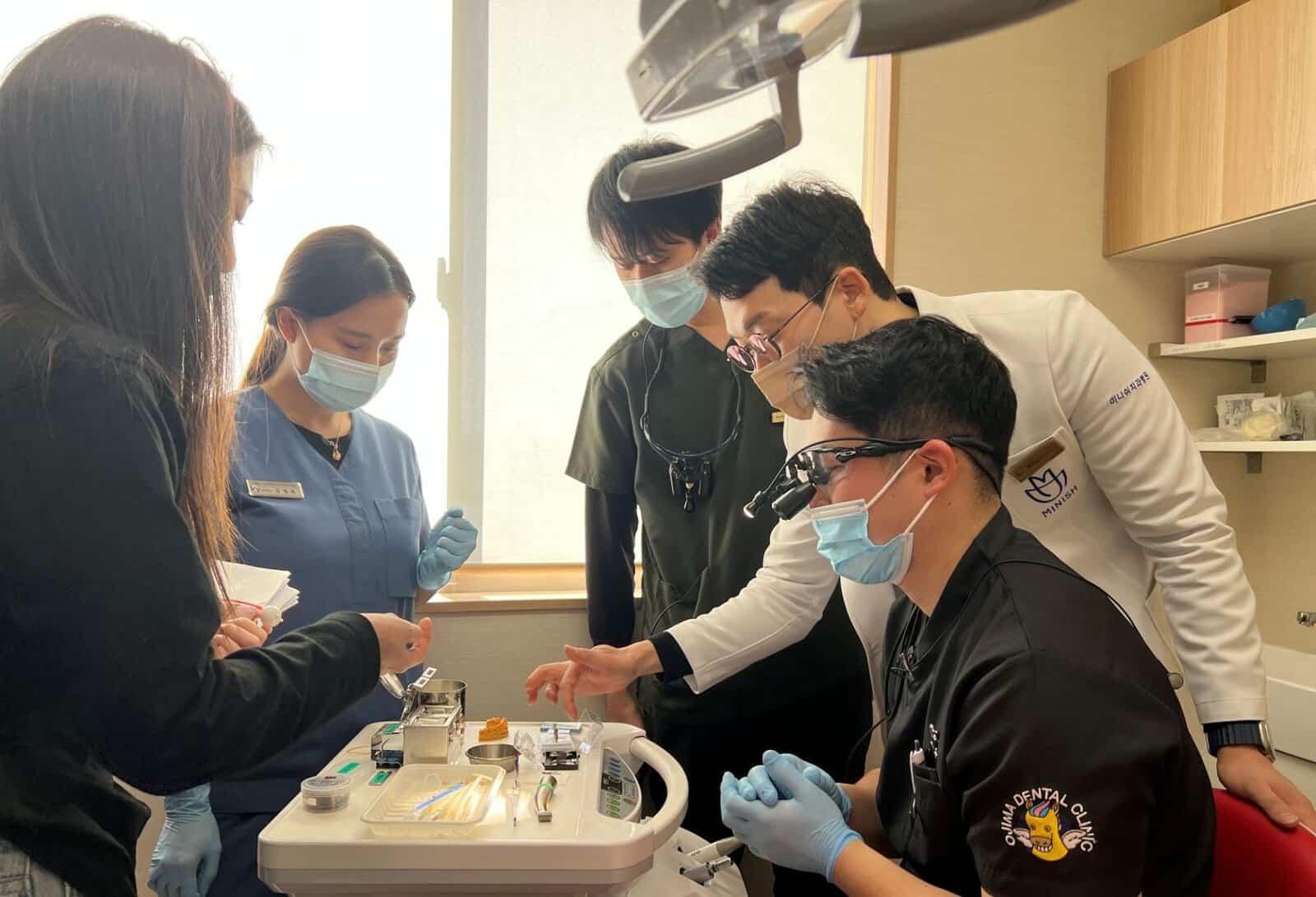
The directors who invite me are those who have completed the program where I am the main lecturer and have the same practice as ours. Since I'm in Korea, I request case consultations and share cases remotely. We make a treatment plan together, but when it comes down to it, they ask for SOS if they're nervous.
Working on 16 or 18 teeth at once is a huge challenge for the uninitiated. The intricacies of preparation, scanning, setting, and bonding the cavities can be daunting, even if you're trained in Korea.
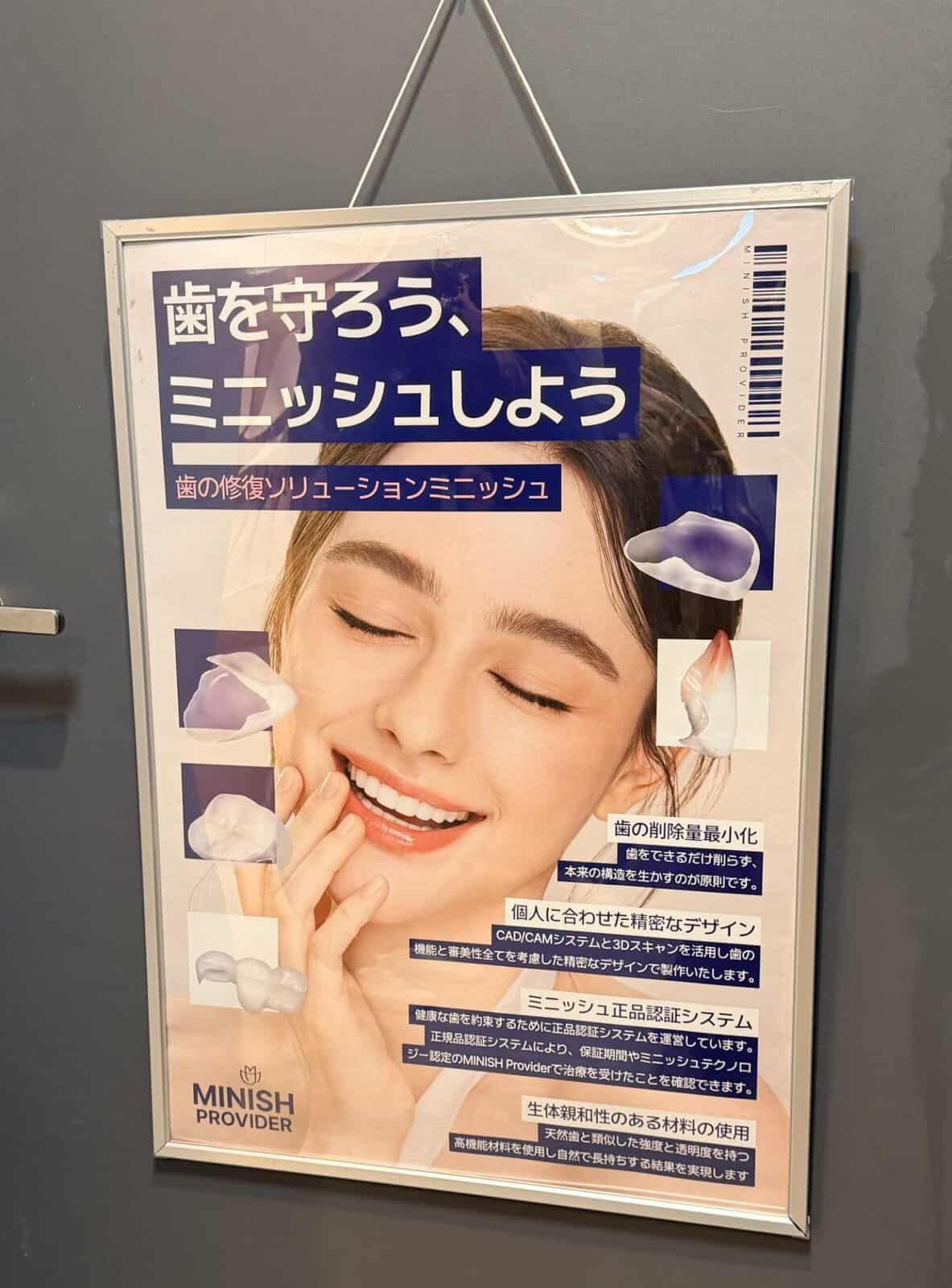
"I want you to be there for me." I know the desperation in those words, and I wish I could tell you one more thing. The meticulousness of Japanese directors is amazing in every consultation. They want to make sure that their preparation is correct, and if there is even a small problem, they want to hear the reason and fix it.
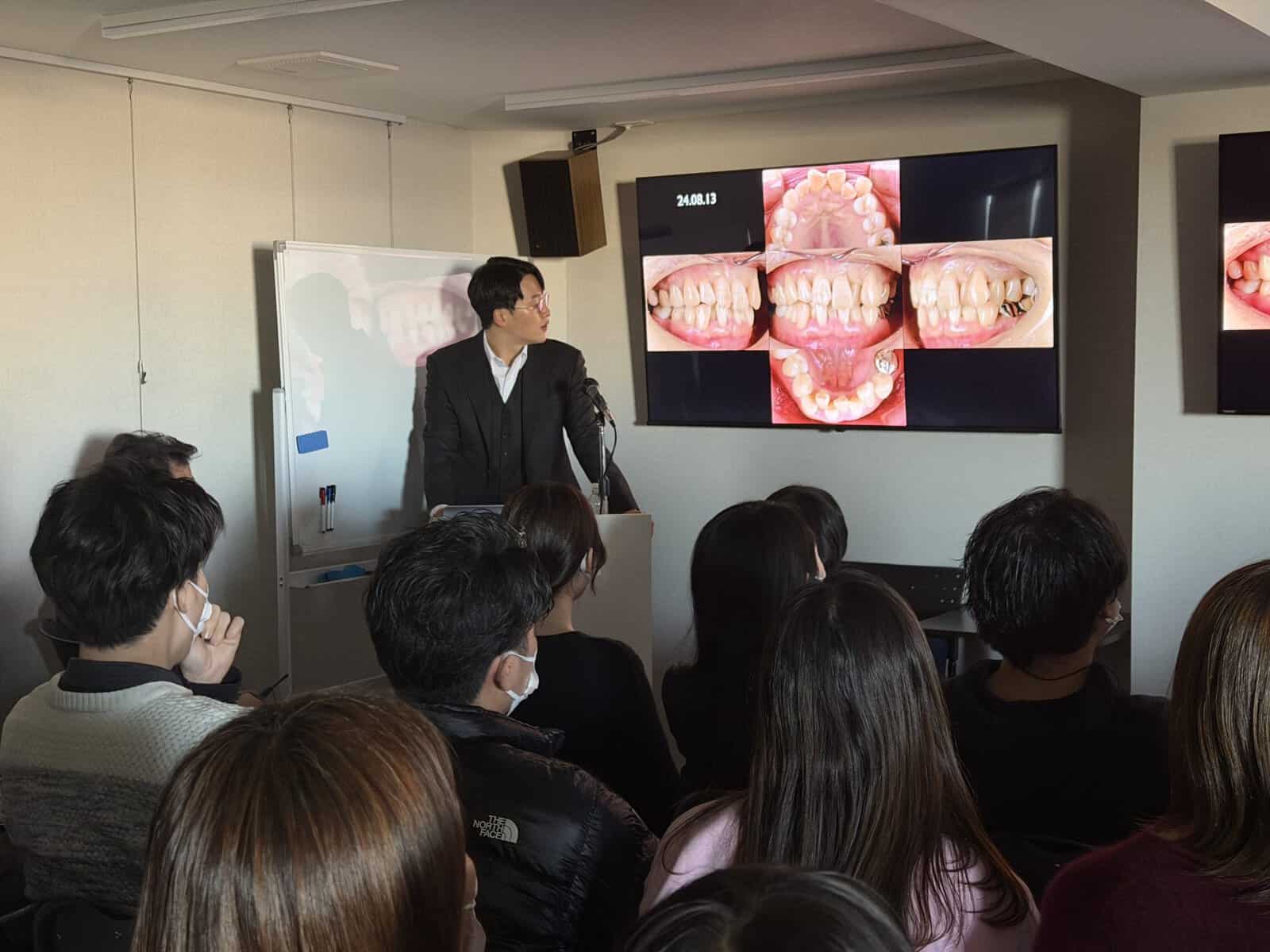
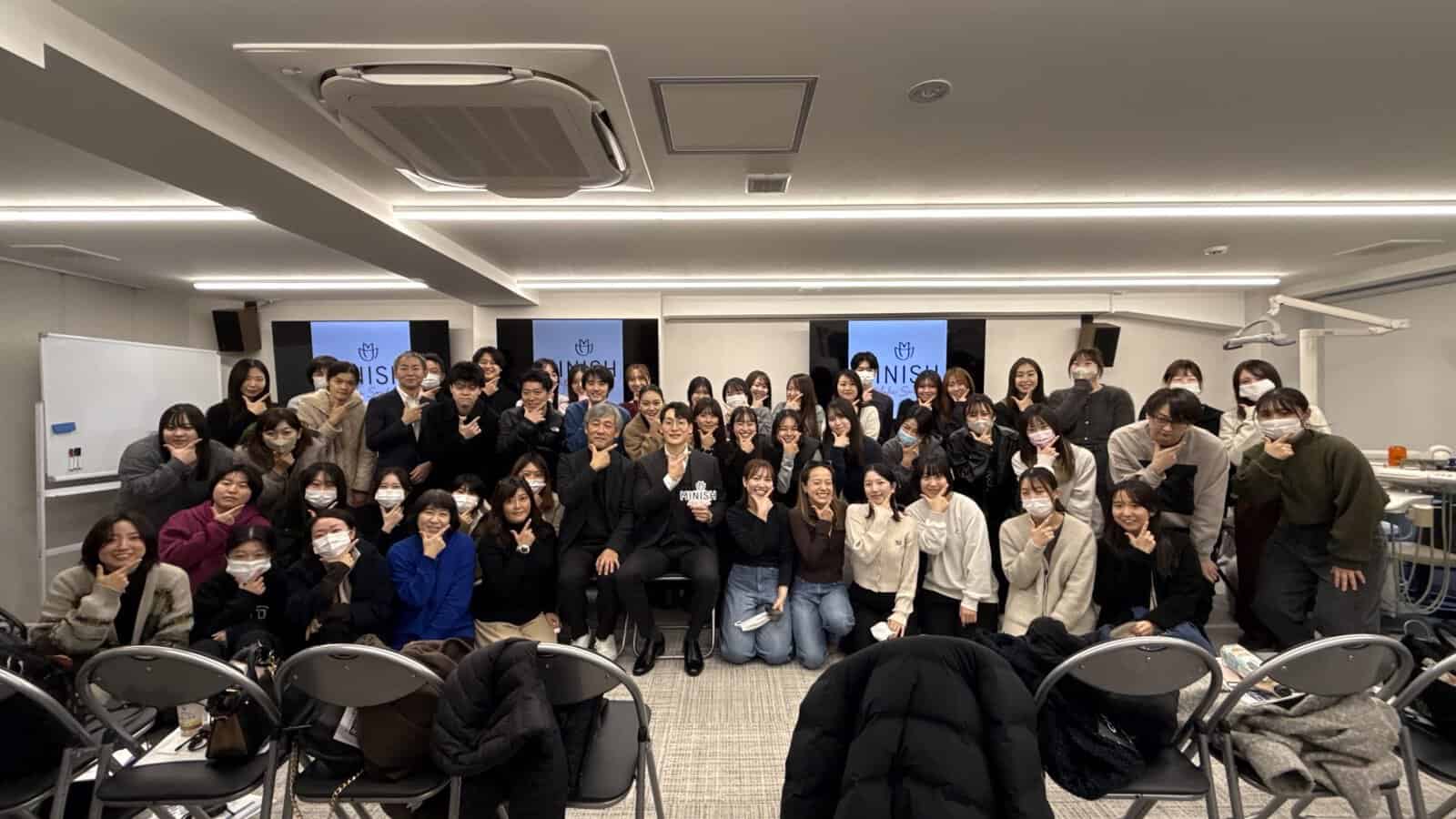
The meticulousness of the Japanese is evident in the way they record, photograph, and check each step of the procedure. The conversation in the office continues after the consultation with a meal. The Japanese dental culture, the patients' personalities, and the problems they face are priceless. And delicious food. Seriously, Japan never fails when it comes to food. Sometimes I wonder if this is what I do for a living.
Back home, the communication continues. "That patient back then, now she's doing so well." "Thanks to your advice last time, the next case was much easier." It's moments like these that make me feel proud. That's why I can't say no to international consultations.
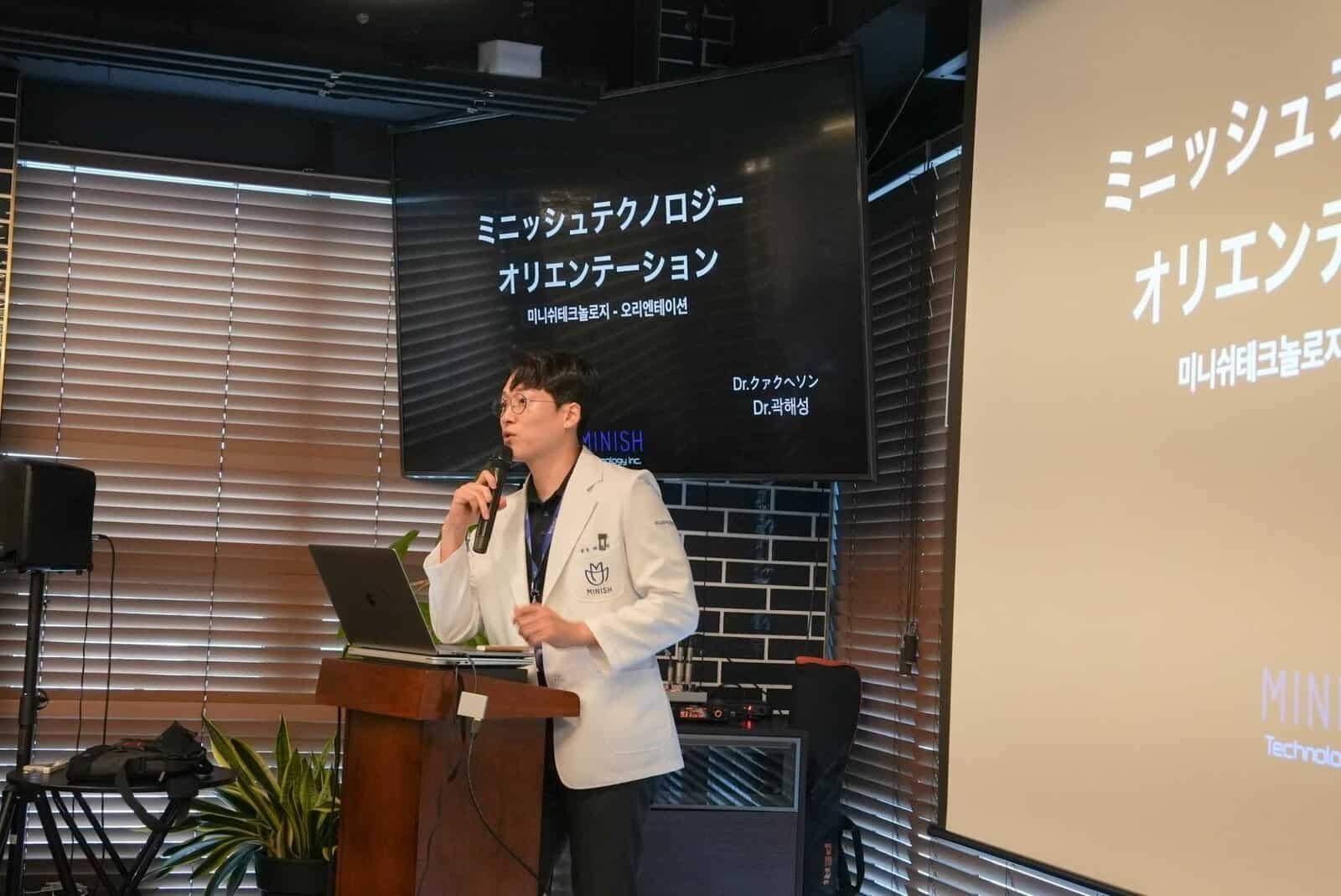
In a few days, I'll be flying to Japan again. This time, I'll be giving a seminar to 30 doctors from a medical corporation headed by the director of the clinic where I worked. Last month, I completed a continuing education program for 22 doctors in California, USA. It seems that I will have more opportunities to fly to the United States than Japan.
Busy but enjoyable. Outside of the office, lectures, traveling, consultations, and staff training have given me a broader perspective on the profession of dentistry. It's like seeing the forest instead of the trees, and I'm looking forward to my next consultation. Eating out.
Get new stories from Minish in your inbox.
Check your inbox and confirm your subscription.
Something went wrong. Please try again.