Florida dentist shortage sparks GOP 'therapist qualification' bill, warns Democrats it hurts people's health rights
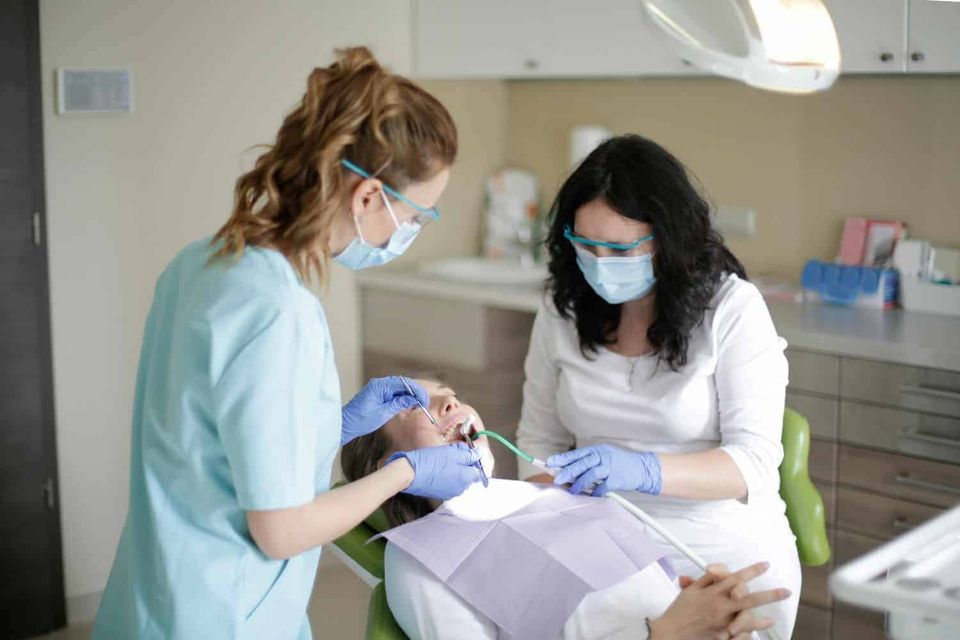
It's a fact of Korean common sense that dentists are the ones who take care of our teeth, so there's no room for debate. However, if there is a shortage of dentists in the United States, the world's most powerful country, there is a controversy. This is the ongoing debate in the Florida legislature.
https://www.instagram.com/p/DUZUOynAU1I/?utm_source=ig_web_copy_link&igsh=NTc4MTIwNjQ2YQ==Howard Farran, an American dentist and founder of Dental Town, the world's largest online dental platform, shared the news of Florida's passage of a dental therapist bill on his account.
The Republican-controlled state House of Representatives recently passed a bill to create a new dental therapist license by a vote of 80-29, according to FloridaPolitics, a local political news outlet in Florida. The outlet analyzed the outcome as a partisan vote.
Republicans are cheering the bill's passage, saying it will address Florida's dentist shortage. Of Florida's 67 counties (counties are like counties), there are two, Dixie and Gilkreath, that don't have a single dentist.
"It will help fill a shortfall in Florida, which is 1,300 dentists short (of its needs)," said Republican state Representative Linda Cheney, who spearheaded the legislation.
Democrats opposed the bill, saying it could jeopardize people's health rights. State Representative Darryl Campbell said he was "deeply concerned" about the bill, emphasizing that "the answer to addressing access (to dentists) is not to lower the level of care."
The dentist controversy in Florida, one of the richest states in the U.S., makes me feel both sad and grateful for Korea's advanced dental system.
According to Statista 2024, Florida's gross domestic product (GDP) by state is $1.705 trillion, making it the fourth richest state in the U.S. behind California, Texas, and New York. But Florida has a dentist shortage, which is why it's creating a similar license.
In Florida, Chaney said, there are 3,000 people who come to the hospital every year because they are at risk of dying from a dental infection, and 120,000 people who come to the hospital for dental emergencies. That's a lot of people not getting the right dental care at the right time.
Dental Therapist Schools, 5 in the U.S.
According to a Florida House bill, dental therapists must be at least 18 years old, have a clean criminal record, and graduate from a dental therapist school before they can be licensed. These schools are accredited by the American Dental Association Commission on Dental Accreditation.
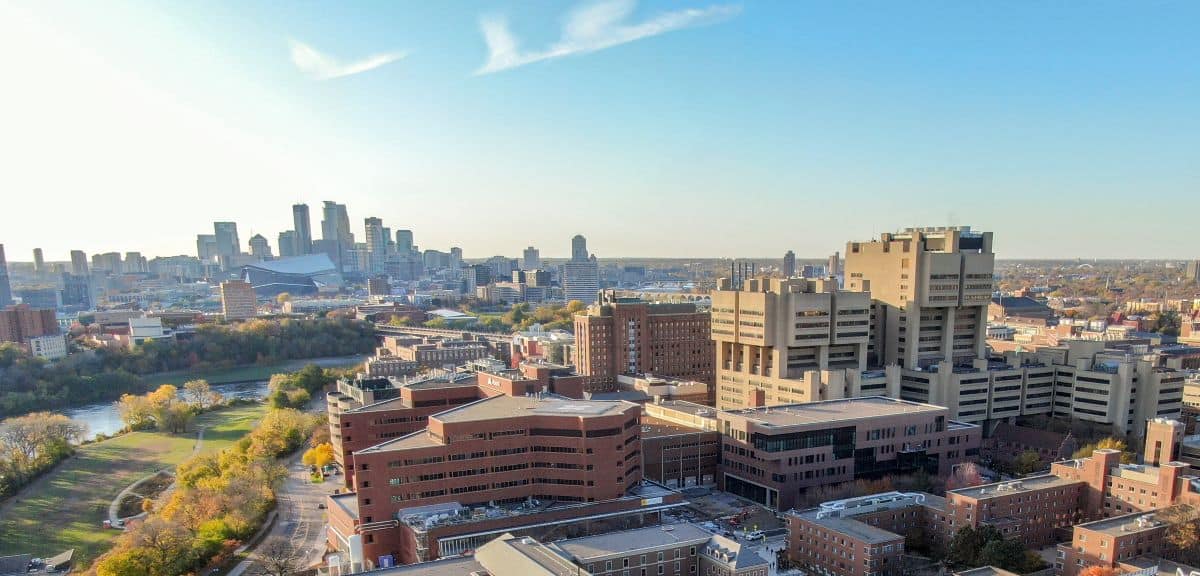
However, there are only three schools in the United States that are accredited by the Commission on Dental Accreditation. According to the American Dental Therapy Association website, there are five dental therapy schools in the United States: the University of Minnesota, Minnesota State University, Skagit Valley College in Washington, Alaska Anchorage College, and Minnesota Metro State University.
Of those, three - the University of Minnesota, Skagit Valley College in Washington, and Alaska Anchorage College - are accredited by the American Dental Association Commission on Dental Accreditation, the dental therapists' association noted. Metro State University and Minnesota State University, Mankato are accredited by the Minnesota Board of Dentistry, the schools say on their websites.
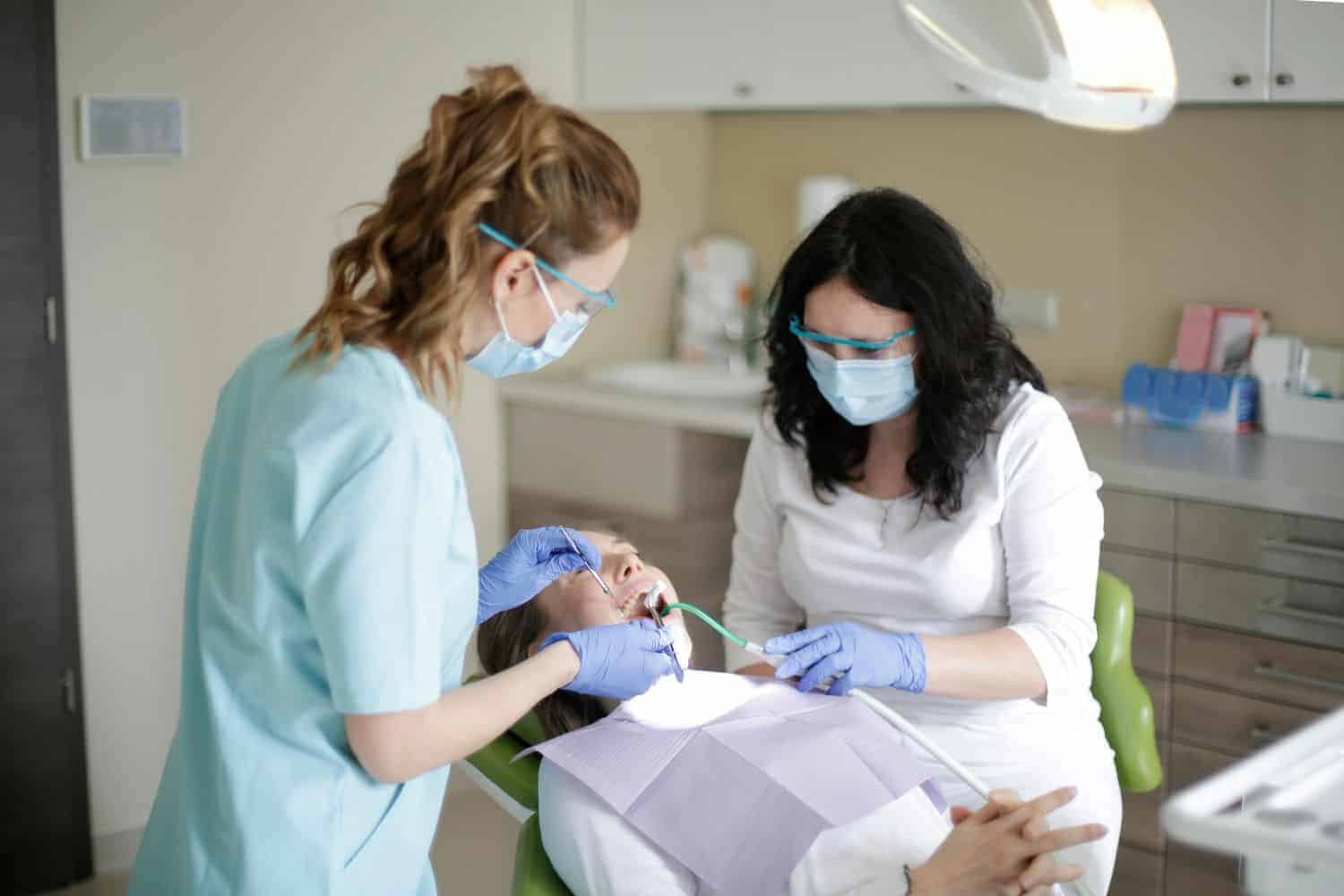
Dental therapists may administer anesthesia under the supervision of a dentist. To administer anesthesia, they must complete relevant coursework and be certified in CPR by the state health department. In addition, dental therapists can perform non-surgical extractions in some patients, but not in cases of ambush, fracture, or amputation. In addition, dental therapists can bond temporary crowns and pre-adjust orthodontic bands.
In 2024, the American Dental Association made its opposition to dental therapists clear. In 2024, the American Dental Association opposed the American Legislative Exchange Council's model legislation to authorize dental therapists. "A dentist is the expert who diagnoses dental problems, and a dentist's written treatment orders are not substitutable," the association emphasized.
The north-central U.S. state of Michigan welcomed its first licensed dental therapists to its northern rural communities earlier this year. The Michigan government defines a dental therapist as someone who can perform exams, cleanings, and fillings under the supervision of a dentist, with limited scope of practice and a training program that takes three to six years, compared to the eight-year dentist training program.
But Michigan doesn't have a dental therapist training program, so prospective students had to study out of state and come to practice. Now, Ferris State University is preparing to launch a dental therapist training program in two years.
According to the American Dental Therapy Association, the dental therapist model originated in New Zealand in 1921. In the United States, Alaska was one of the first states to adopt a dental therapist program. In 2005, the first dental therapists began practicing in rural areas.
In the early part of 2022, there were no training centers, so New Zealand-trained dental therapists were placed in Native tribal areas, such as rural western Alaska, but the local Iliisavik College Consortium has since become accredited by the American Dental Association.
A 2018 paper by dentist Donald Chee and four others on dental therapists' work in Alaska Native communities concluded. "Dental therapists tend to provide more preventive care and perform fewer extractions. State-level policies should consider dental therapists as part of a comprehensive solution to meet the dental care needs of people in underserved communities and to achieve health equity and social justice."
In the United States, access to healthcare is not as good as it is in Korea. If you go to an urgent care center, you can sometimes wait hours to see a nurse practitioner. A few years ago, I was able to have a discussion with Korean-Americans in the U.S., and one of them commented that they were happy to see a specialist after seeing a primary care doctor.
I said, "Isn't it best to see a specialist right away, like in Korea?" and there was silence. In that sense, I think the dentist debate is a very American issue. No, I'm grateful for our reality.
Writer. Hyuntaek Lee
<A former newspaper journalist who worked for 18 years at JoongAng Ilbo>, <and Chosun Ilbo>. She is currently working as a freelance contributor and planning the second act of her life. In addition to journalism, she has worked in broadcast public relations and marketing at JTBC and Edelman Global Advisory in the United States. He is the recipient of a U.S. State Department Fulbright Humphrey Fellowship and a Google Asia-Pacific Newsroom Leadership Fellow.
Get new stories from Minish in your inbox.
Check your inbox and confirm your subscription.
Something went wrong. Please try again.