From a $55 cleaning to a self-induced tooth extraction... Overseas Dental Patients
It's no secret that South Korea's healthcare system is one of the best in the world. It's a blessing to have access to top-notch healthcare at such an affordable price.
But even in the developed world, healthcare has its share of laughable stories, and dentistry is no exception.
That's the story of a patient reported a few days ago by WCPO, a local station in Cincinnati, USA. A family in Westchester, Ohio, had been going to their designated dentist for regular checkups and cleanings (similar to scaling) for over a decade.
But recently, the family was informed that their son's scaling and routine checkup had cost $379 (about $55). They've had dental insurance for so long that these visits were usually free.
The reason was "in-network," the broadcast said. The U.S. does not have a national health insurance system, and most people buy insurance individually, often through their school or workplace.
Hospitals must also be affiliated with the insurance plan, i.e., in-network, or they will be charged a premium. Not surprisingly, the hospital the family had been using was in-network.
The hospital brought in a dentist from another hospital to treat the patient, but the dentist's hospital was not in the insurance plan's network and the patient was overcharged.
Fortunately, the patient appealed to his insurance company and got the difference back, which was split between the insurance company and the hospital.
"Before you go, ask if the dentist is in your insurance company's network," the program advised.
In Korea, where scaling is covered by health insurance once a year and dental care is very affordable, these stories seem unrealistic.
Because of this, dental insurance in the United States has become more of a necessity than a requirement. Individual health insurance plans often exclude dental and vision, and dental coverage must be purchased as a rider or separate product.
One international student family was also heartbroken to find out that their young daughter's dental insurance was separate.
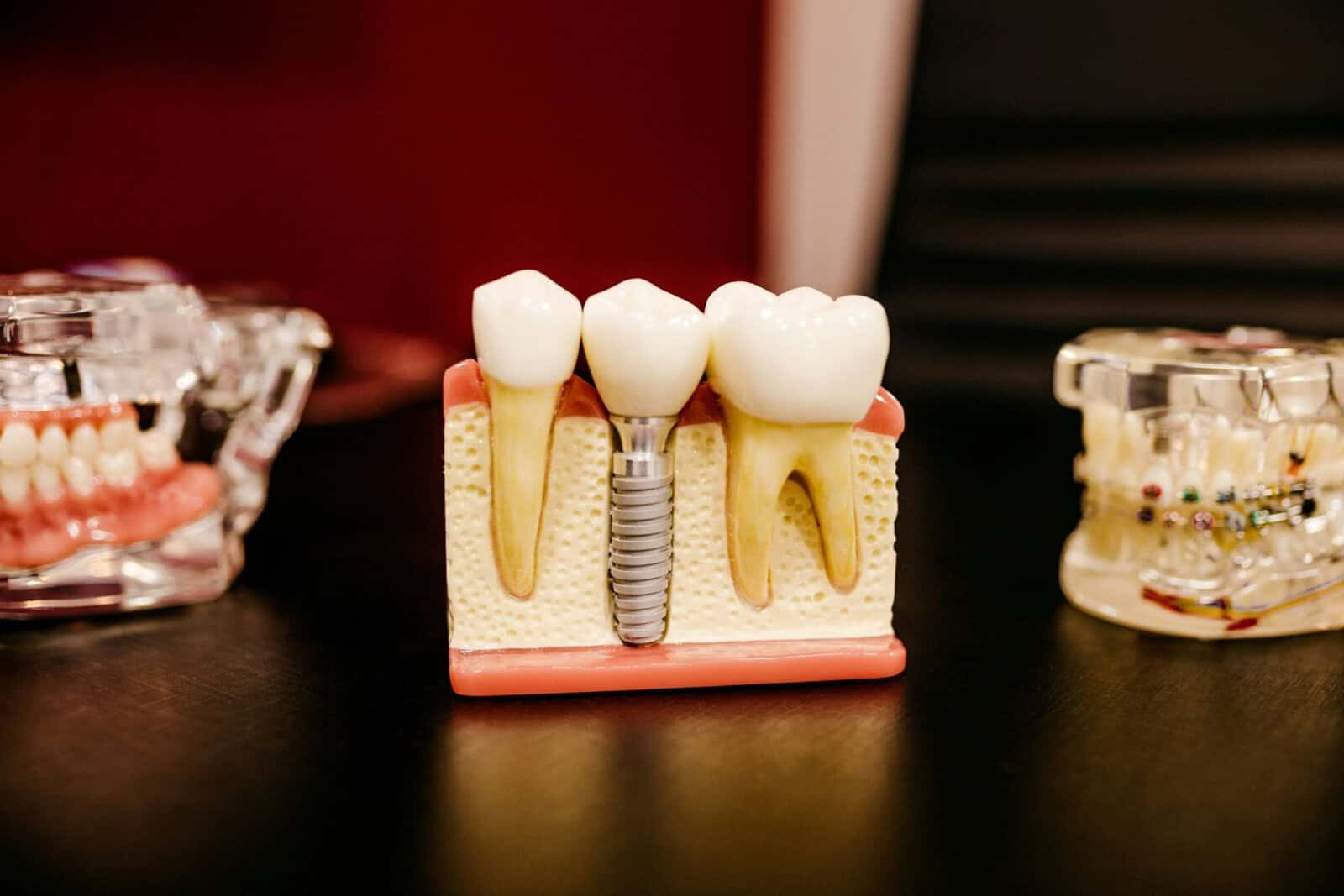
Her young daughter's teeth were severely decayed, requiring eight extractions and endodontic treatment. The specialist treated her well, and thanks to insurance, the price was phenomenally low by U.S. standards: $180 (about $265,000).
I had previously chipped a tooth and had it crowned in the US and paid $1700 with a 10% friend-of-a-friend discount.
Many low-income Americans can't afford dental care. According to Time, 27% of American adults lack dental insurance. Another 9.5% have no medical insurance at all.
In the U.S., there are programs such as Medicaid and the Children's Health Insurance Program (CHIP) for low-income people, but many dental offices don't accept them because of their low fees, the media outlet said.
This is why dentists' pro bono work for low-income people is often reported in the local media.
The 25th annual Kansas Mission of Mercy Free Dental Clinic will be held Jan. 30-31 next year at the Kansas Military Hospital in Manhattan, Kansas, local station KCLY reported.
The event is funded by local donations, chaired by a local dentist, and is a mammoth event with 100 dental chairs and 1000 volunteers, including dentists and assistants.
Dental student clinics, which are easily scheduled at local dental school hospitals, are also a local event in the United States.
In June, the Florida Gulf Coast News reported on an event at the local Florida Southwestern State College Dental Hospital that offered low-cost in-office oral exams and treatments for children ages 3 to 18.
The fee is $30 per child and $50 per accompanying adult.
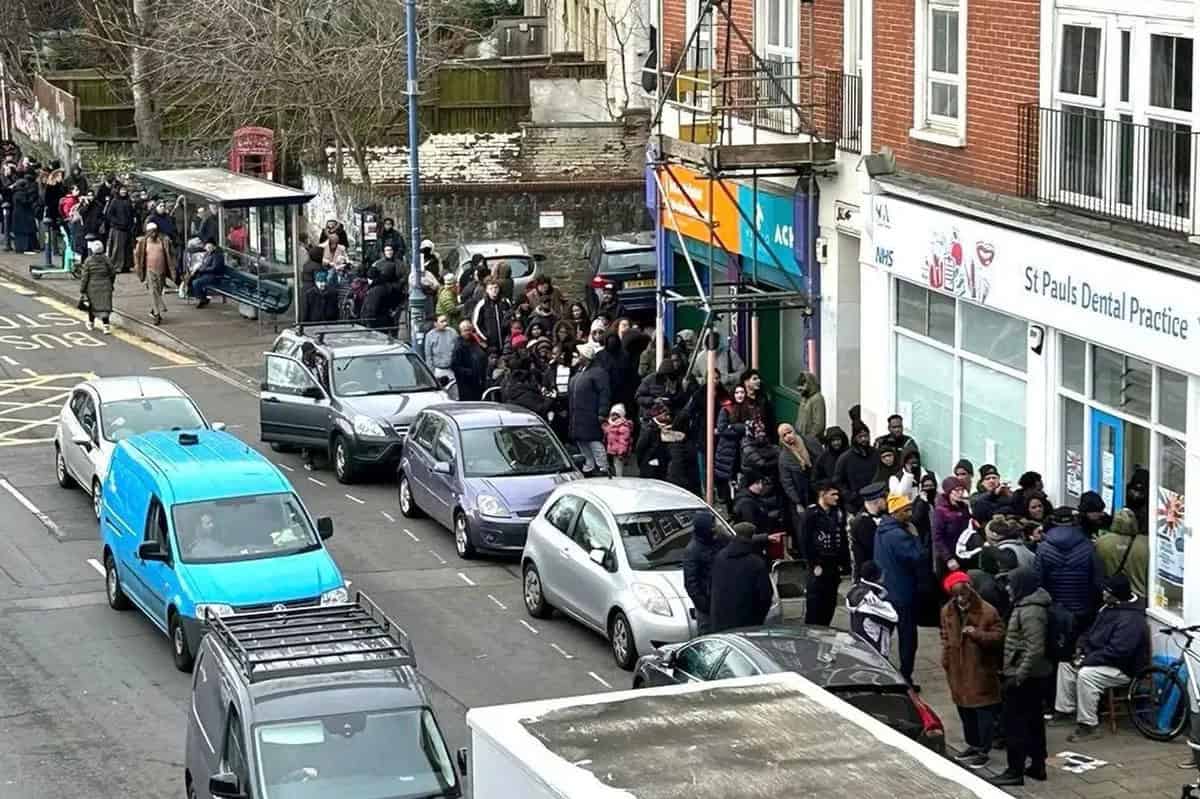
The UK has a public healthcare system through the National Health Service (NHS). This is one of its strengths because it's free for everyone. However, the long wait times and lack of accessibility to healthcare are among the biggest problems.
The Guardian cited a report by local civil society organization Healthwatch England that revealed the lives of patients struggling with inadequate healthcare infrastructure.
One of the biggest problems is patients who don't seek medical attention for emergencies, such as a suddenly chipped tooth or abscessed gum.
Some patients are traveling more than 160 kilometers to hospitals in remote areas, or even having teeth pulled at home without a medical professional present, or taking antibiotics without a dentist's prescription.
Some spend millions of pounds in private hospitals, while others travel abroad for treatment.
Also in the southern U.S. state of Louisiana, a 16-year-old patient had trouble breathing after an abscess in his mouth was not treated in time. According to Time, the patient was hospitalized in the intensive care unit after having six teeth extracted.
Writer. Hyuntaek Lee
A former newspaper journalist who worked for 18 years at JoongAng Ilbo, and Chosun Ilbo. he is currently working as a freelance contributor and planning the second act of his life. In addition to journalism, he has worked in broadcast public relations and marketing at JTBC and Edelman Global Advisory in the United States. He is the recipient of a U.S. State Department Fulbright Humphrey Fellowship and a Google Asia-Pacific Newsroom Leadership Fellow.
Get new stories from Minish in your inbox.
Check your inbox and confirm your subscription.
Something went wrong. Please try again.