If you're sensitive about the amount of teeth you remove, try Pre-Align
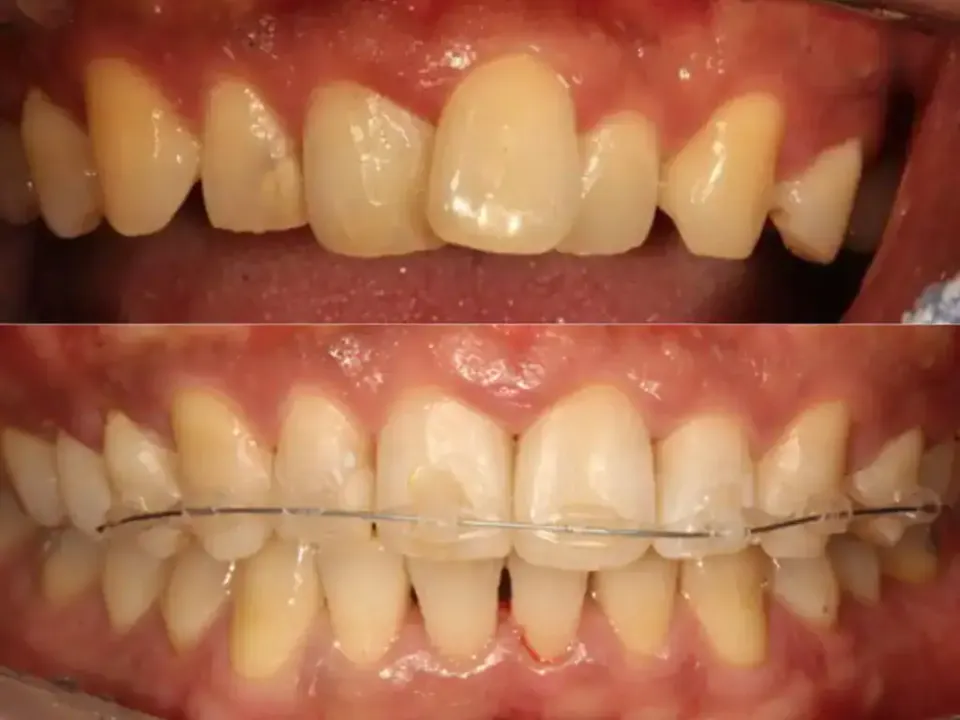
Anterior crowding - small protrusions, arrangement improves in 2-3 months
Periodontal health - aesthetics improve with it
At the Presidents' Meeting on the 5th, a small seminar on "Activating Minish Hybrid Therapy" was held, prepared by Dr. Hye-Rin Han.
One principal proposed the concept of "pre-alignment" to reduce the amount of deletions through simple alignment improvements before a full-scale minish treatment. Rather than aiming for complete correction, pre-alignment focuses on creating the conditions for minimal erasure. He explained that it can be a compelling treatment option, especially for patients who want to have zero erasure laminates.
The devices used for pre-alignment are the Mini Tube Alliance (MTA) and Clearline. The MTA has the advantage of being smaller in size and lower in height, making it less uncomfortable for patients and less noticeable when attached to the anterior mandibular incisors. It is also highly efficient because it can selectively move only the target teeth without changing the bite.
Examples of cases that may be good candidates for Pre-Align include mandibular anterior crowding (crowded alignment), black triangles, mild spacing, microprotrusions, and patients requiring spacing adjustments. On the other hand, cases where a minish is sufficient for mild crowding, spacing due to occlusal interference, severe palatal protrusion, or maxillary lingual rotation may be more appropriate than pre-aligners, such as those requiring a stand-alone minish or orthodontic reefers.
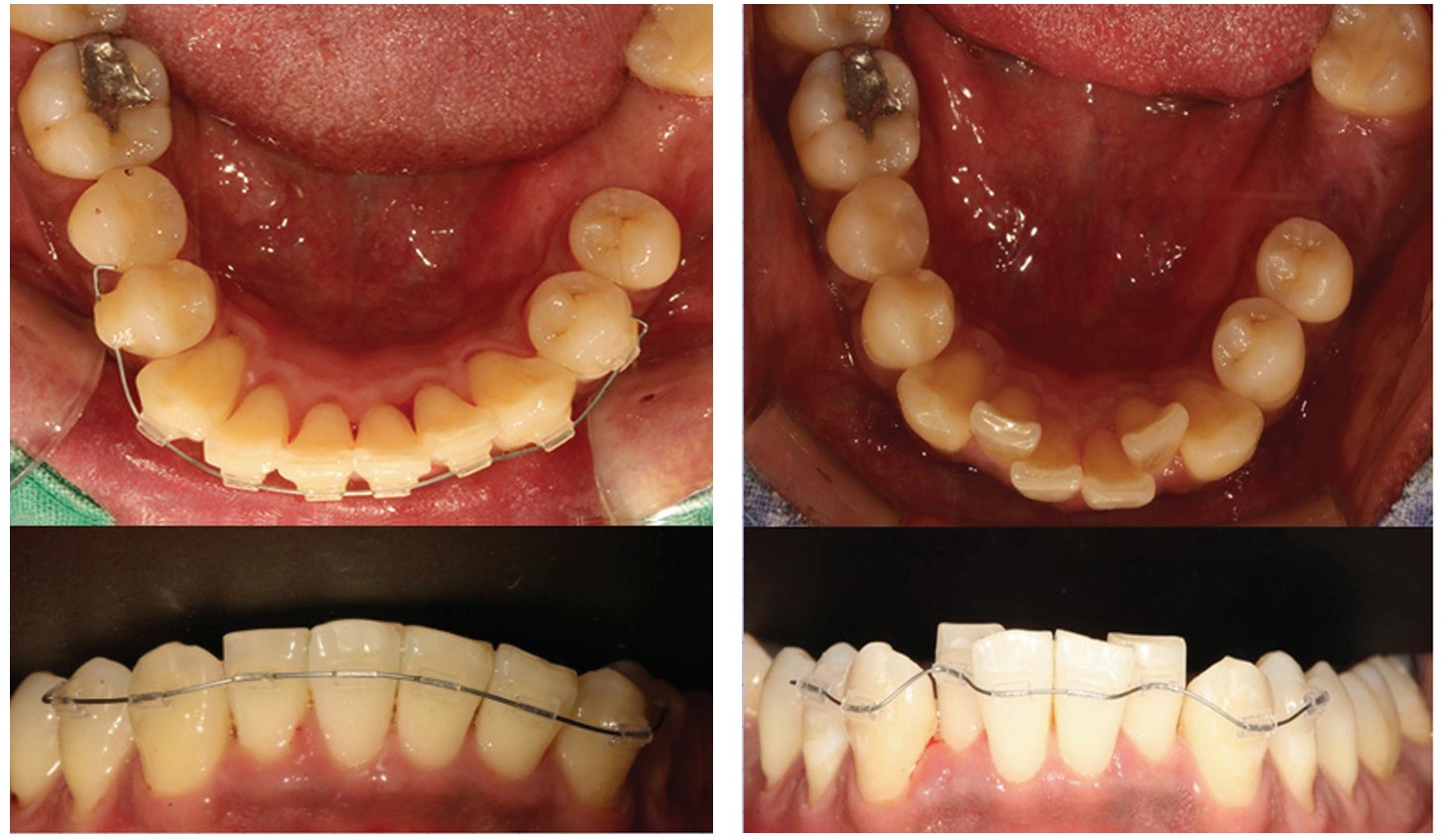
The treatment protocol is also specific. The device will only be attached to six anterior teeth, and the first wire will be a 012 or 010 retainer. The treatment consists of two to three visits, three weeks apart, with an average duration of two to three months. He emphasized that IPR (interproximal removal) must be done on the first visit. The idea is that fine-tuning the contact points between teeth is the key to moving teeth. After the IPR, it's important to reshape the teeth so that they touch in their original rounded shape, rather than having a wide gap between them.
"Small differences in tooth contact have a big impact on tooth movement. "You have to break the force equilibrium to get the tooth to move," explains one practitioner, "and you have to be strategic about it, like doing a lot of IPR on the teeth you want to give more rotational force, and not touching the contact on the teeth you don't want to move.

The clinical benefits of Pre-Align were also presented. The clinical benefits of Pre-Align include higher patient aesthetic satisfaction, lower oral pathogenic bacteria concentrations, and lower long-term complication rates, such as loosening, fracture, and secondary caries. From the patient's point of view, the benefits of improved alignments include more complete miniches, less erosion, better retention, and increased periodontal stability.
"Simple alignment improvements can reduce the amount of removal and improve periodontal health and aesthetics," said Dr. Han, "Pre-Align is definitely worth a try."
Get new stories from Minish in your inbox.
Check your inbox and confirm your subscription.
Something went wrong. Please try again.