"In addition to formal balance, harmonious colors are the essence of Minish"
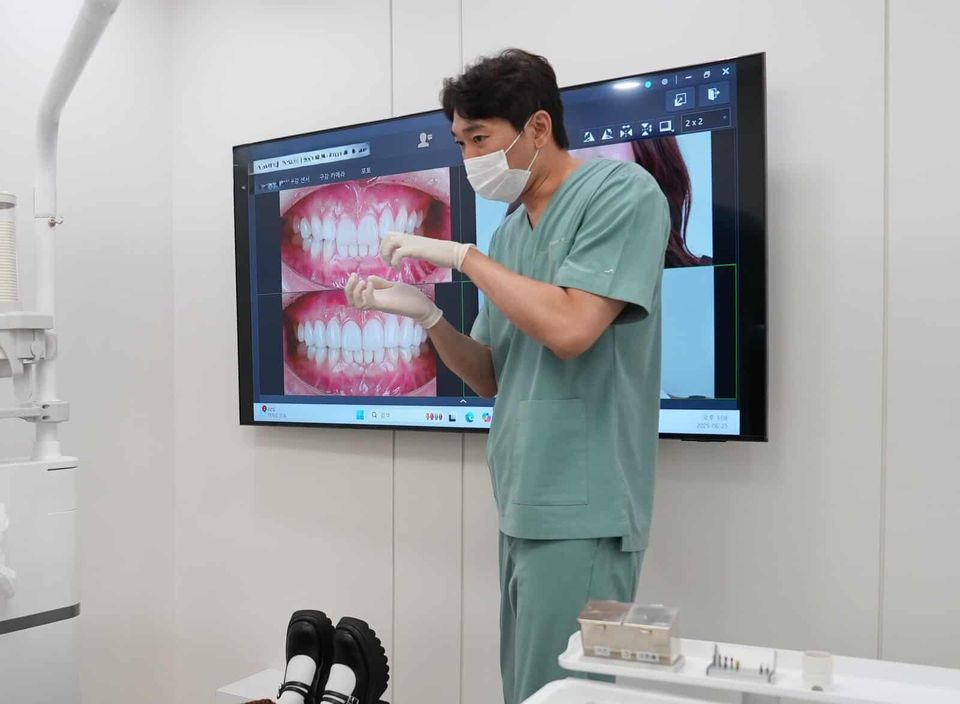
"Minish is not about 'thinness' per se, but 'harmonious color' is the essence."
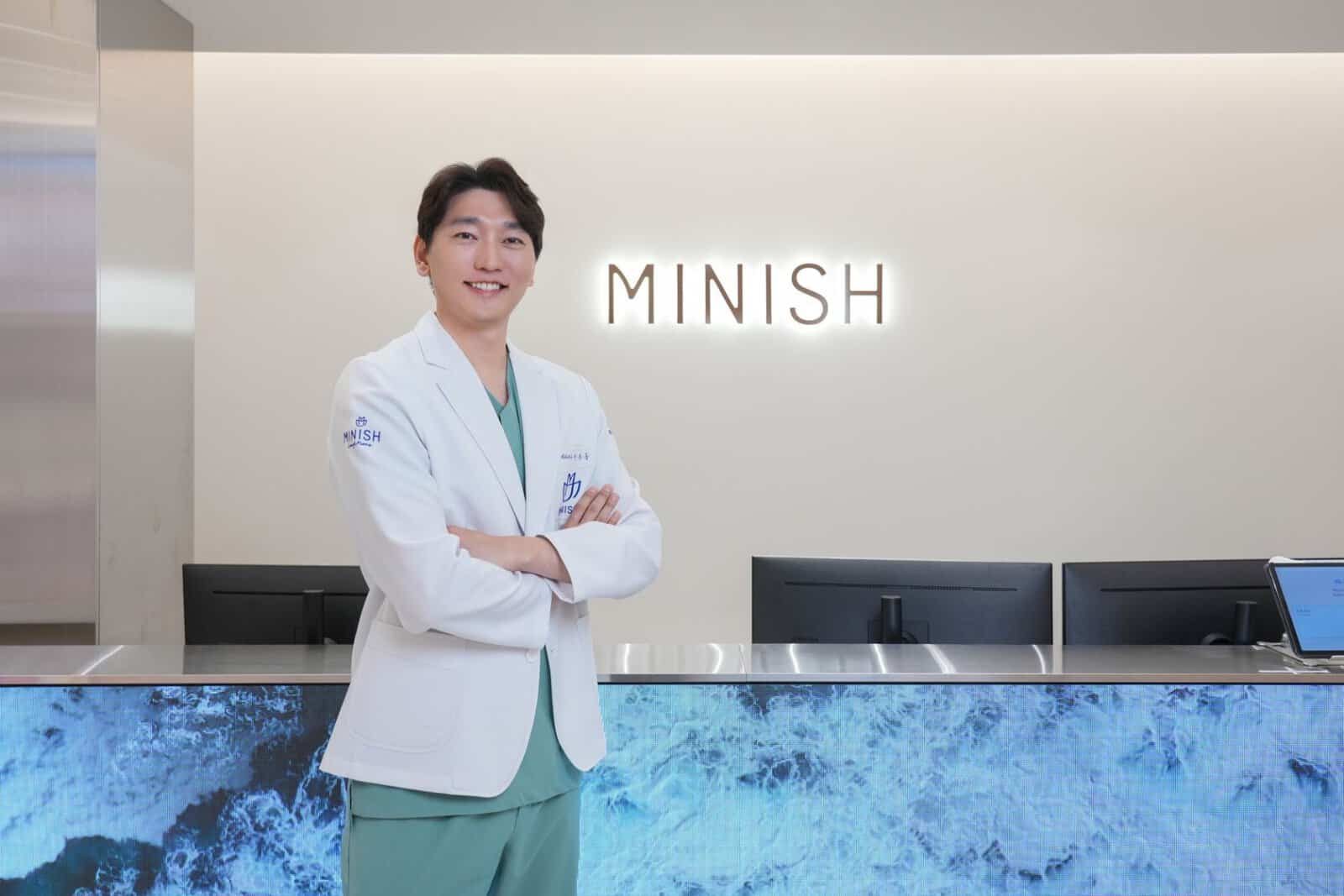
"It is important to standardize the entire process, including the thickness of minish, abutments, light source, adhesives, and communication in the laboratory," said Dr. Lee Joo-hong, director of Minish Dental Clinic Gangnam, at a recent seminar for clinic directors.
He is a graduate of Minish Dental Hospital and has over 70,000 cases of clinical experience.
"In clinical practice, one of the things that patients are most sensitive to is color," Lee said, noting that while shape can be somewhat predictive of outcome at the initial consultation, color is harder to predict accurately.
This means that details such as tooth condition and lip thickness must be carefully analyzed and incorporated into the treatment plan. The problem with this is that minish treatment has evolved to focus on form balance, function, and durability, so color is relatively abstract and intuitive.
A patient story was also shared. A female patient in her 40s who came in with a missing front tooth resin and was very unhappy with the aesthetics of her existing crown because it didn't match the color of her surrounding teeth, and she had a lot of trouble with color matching.
"The minish was made too thin, which allowed the dark color of the abutment teeth to penetrate through, and the difference in transparency between the crown and the minish resulted in the prosthesis having to be remade several times." "If we had analyzed the tooth color and transparency at the initial consultation, we could have adjusted the thickness or made a precise plan from the beginning," says Dr. Lee.
The seminar also included a theoretical explanation of how "light" affects color. "Colors are perceived differently depending on the wavelength of light, and since Minish blocks are translucent, physical factors such as reflection, transmission, and scattering greatly affect the final color," Lee explained.
Therefore, he advised that tooth color is most accurately assessed in natural light.
He also offered specific guidelines to consider during treatment. "If the minisheath is made too thin, it can be less transparent, allowing the color of the abutment to show through, especially if the tooth is dark or blends in with the crown."
"Even when using highly opaque adhesives, inconsistent thickness can cause color imbalance," he adds.
Finally, Lee proposed a systemic approach to overcome these limitations. He suggests that color data should be precisely quantified and linked to big data and AI technologies to enable more sophisticated treatment predictions.
"If we can clarify the criteria for color prediction and collaborate precisely with the laboratory, the Minish treatment will definitely be better."
Get new stories from Minish in your inbox.
Check your inbox and confirm your subscription.
Something went wrong. Please try again.