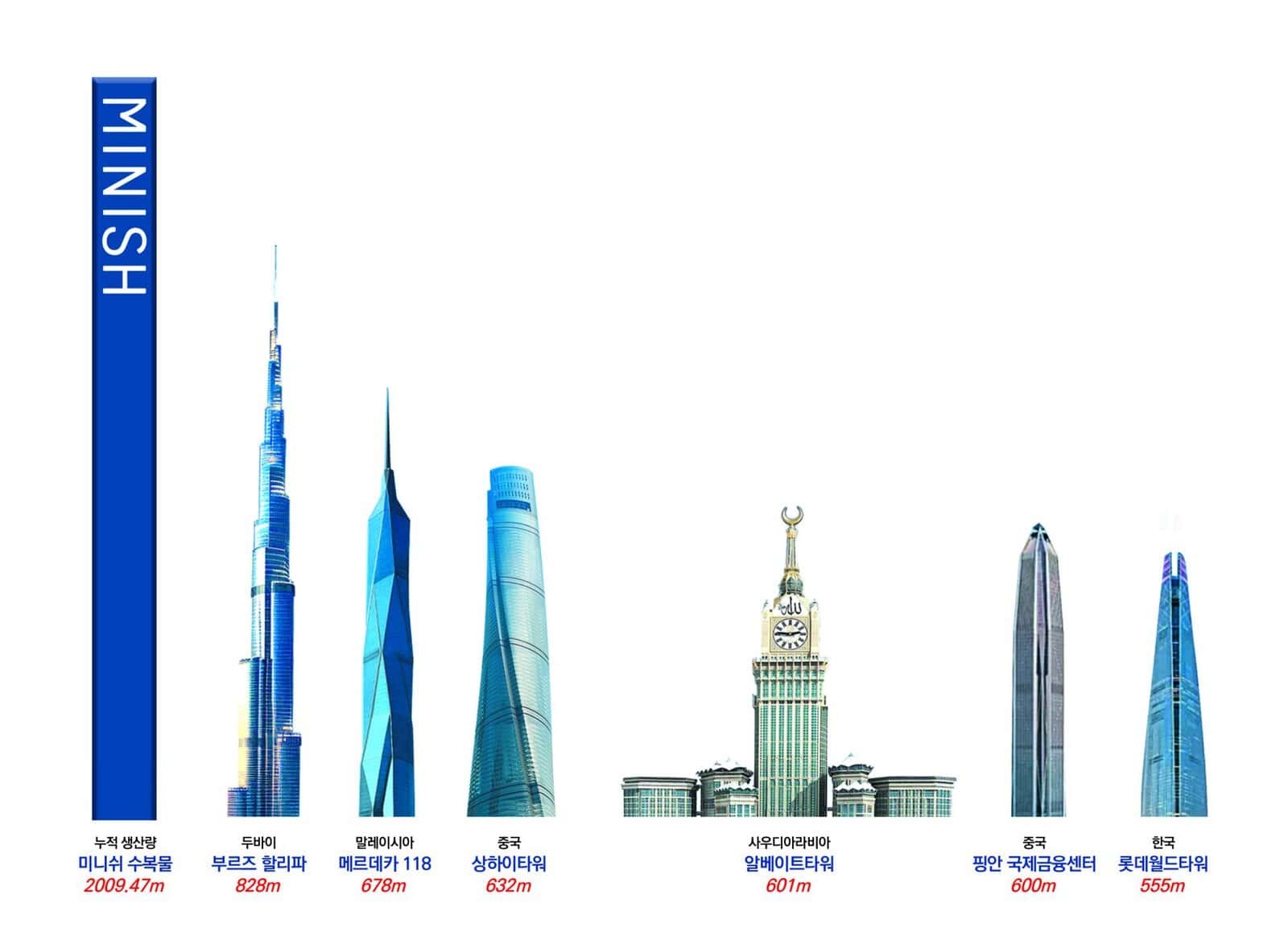
Over 200,000 Minish... 2.4 times the size of the world's tallest building, Burj Khalifa
Cumulative production of Minish restorations has surpassed the 200,000 mark, reaching 200,947 as of Dec. 5. This is 13 years after we started production in 2012. This is a doubling in just three years after reaching 100,000 in November 2022.
When stacked, the restoration material, Minishblock, will reach 2009.47 meters, which is 2.4 times the height of the world's tallest building, the Burj Khalifa (828 meters). It took 13 years of challenge and innovation.
From 2012 to 2016, only highly skilled dental laboratories were allowed to make minish restorations. This was a time when a small number of researchers were gaining experience.
The first leap came with the introduction of 3D printing in 2017 and the relocation of Minish Dental Hospital to Nonhyeon-dong in 2018. The accumulated skills and experience, combined with state-of-the-art equipment and synergies, nearly doubled production.
In the process of advancing ultra-precision processing technology, we introduced dual minish, pink minish, minish bridge, molar minish, and perfected the minish one-day system.
From 2019 to 2021, production plateaued, averaging around 16,000 units per year. The coronavirus pandemic reduced patient visits. We utilized this as an opportunity to strengthen our inner chamber. We prepared for the post-pandemic by increasing our workforce.
As expected, growth began in earnest in 2022. In 2023, production surged to more than 7,000 units. This growth was driven by division of labor and technological advancement.
First, division of labor. When one person is in charge from start to finish, they have a better understanding of the patient but are less productive. Since the deadline is short, around two hours, doing it all by yourself can lead to impatience and deadline pressure.
But with the division of labor, researchers were able to specialize in each part of the process and bring it to a higher level of perfection. It also reduced work stress.
Technological improvements also played a role. Improvements in preparation methods have allowed us to reduce the amount of tooth removal while increasing the fit of the prosthesis, and have reduced post-processing time by more than 20%.
Unnecessary tooth removal elements were eliminated, while simultaneously reducing adjustment work. An organized training system was established, leading to increased production.
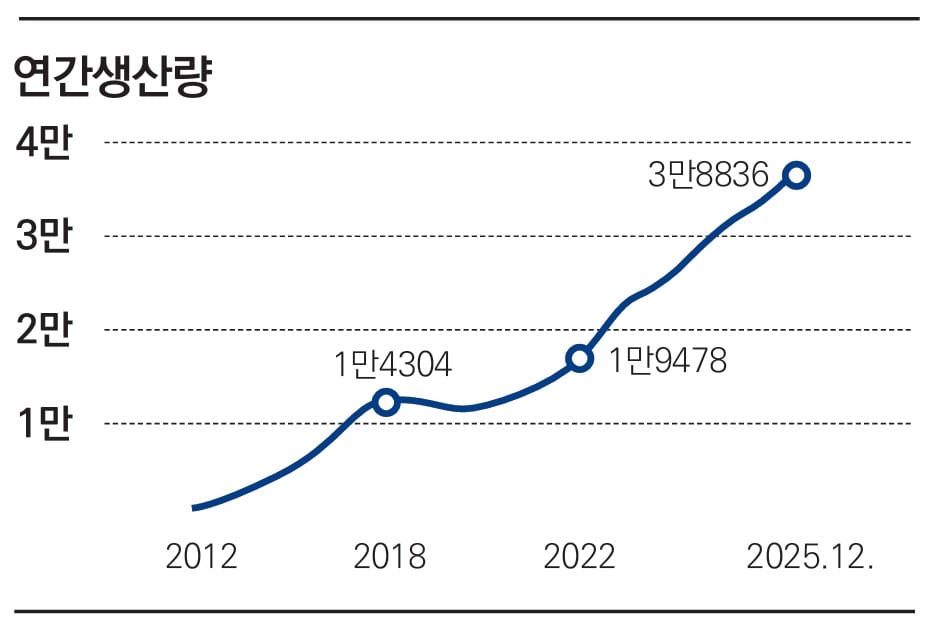
Production is expected to reach 374,000 units in 2024 and 40,000 units in 2025. This is the result of increasing production capacity by 50 milling machines. Increased external cooperation has also contributed.
In the past, internal production at Minish Dental Hospital was dominant, but since 2023, orders from domestic and Japanese providers have increased, and external production now accounts for more than 20% of the total.
In preparation for its continued growth, the company is expanding its workspace from two to four floors and expanding its workforce.
"Even if the digital equipment gets better and the technology gets more advanced, it's still our job to win the hearts and minds of patients," said Dr. Jeong Jeong-mi. "We will actively introduce new technologies such as AI and robotics, but at the same time, we will maintain the value of the human touch."
Get new stories from Minish in your inbox.
Check your inbox and confirm your subscription.
Something went wrong. Please try again.